

Introduction
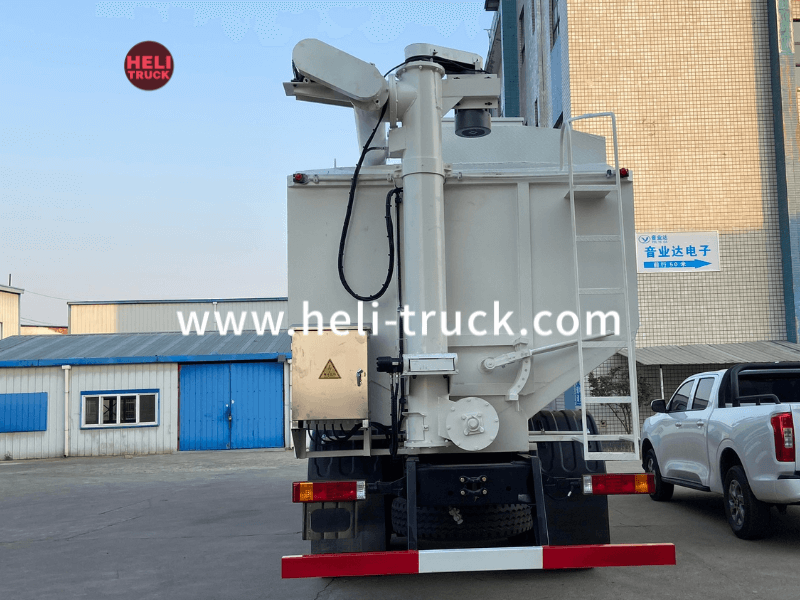
In today's fast-paced world, the issue of waste management has become increasingly critical. With the ever-growing population and urbanization, managing waste effectively has become a daunting task for municipalities and local authorities. Bulk waste, which includes items such as furniture, appliances, and other large items, poses a particular challenge due to its size and volume. In response to this challenge, garbage compactor trucks have emerged as a vital tool in the efficient collection and disposal of bulk waste. This article will delve into the intricacies of garbage compactor trucks, their benefits, and their role in modern waste management practices.
Understanding Garbage Compactor Trucks
Garbage compactor trucks, also known as compactors or compaction trucks, are specialized vehicles designed for the collection and transportation of solid waste. These trucks are equipped with a hydraulically powered compacting mechanism that compresses the waste, thereby reducing its volume and maximizing the truck's capacity. Garbage compactor trucks come in various sizes and configurations to cater to different waste collection needs, including residential, commercial, and industrial settings.
The working principle of a garbage compactor truck is relatively straightforward. The truck's compaction mechanism consists of a large blade or plate that compresses the waste against the truck's body or container. As the waste is compacted, the volume is reduced, allowing the truck to collect and transport more waste in a single trip. This efficient compaction process not only increases the truck's capacity but also minimizes the frequency of collection trips, thereby saving time, fuel, and operational costs.
Types of Garbage Compactor Trucks
There are several types of garbage compactor trucks available in the market, each designed to meet specific waste management requirements. The most common types of garbage compactor trucks include:
1. Rear Loading Compactor Trucks: Rear loading compactor trucks are equipped with a compaction mechanism at the rear of the vehicle. Waste collectors load the waste into the truck through a rear opening, and the compaction mechanism compresses the waste as it is loaded. Rear loading compactor trucks are commonly used for residential waste collection in urban areas.
2. Front Loading Compactor Trucks: Front loading compactor trucks feature a compaction mechanism at the front of the vehicle. Waste containers are emptied into the truck through a front-loading hopper, and the waste is compacted inside the truck. Front loading compactor trucks are popular for commercial and industrial waste collection, where large bins or containers are used.
3. Side Loading Compactor Trucks: Side loading compactor trucks have a compaction mechanism on the side of the vehicle. Waste collectors load the waste into the truck through side openings, and the waste is compacted as it is loaded. Side loading compactor trucks are ideal for narrow streets and areas with limited access.
Benefits of Garbage Compactor Trucks
Garbage compactor trucks offer a wide range of benefits for waste management operations, especially in handling bulk waste. Some of the key benefits of using garbage compactor trucks include:
1. Increased Waste Capacity: The primary advantage of garbage compactor trucks is their ability to compact waste, significantly increasing the truck's capacity. By compressing the waste, compactor trucks can collect and transport a larger volume of waste in a single trip, reducing the number of collection trips required.
2. Efficient Waste Collection: Garbage compactor trucks streamline the waste collection process by minimizing the time and effort required for waste collection. The compaction mechanism enables waste collectors to pack more waste into the truck, reducing the overall collection time and labor costs.
3. Improved Hygiene and Safety: Garbage compactor trucks help maintain a cleaner and safer environment by containing and compacting the waste effectively. Compacted waste reduces the risk of spillage and littering during transportation, promoting hygiene and sanitation in the community.
4. Cost-Effective Waste Management: By maximizing waste capacity and reducing collection trips, garbage compactor trucks offer cost savings for waste management operations. The efficiency of compactor trucks translates into lower fuel consumption, reduced maintenance costs, and improved operational efficiency.
5. Environmental Benefits: Garbage compactor trucks play a crucial role in promoting sustainable waste management practices. By compacting waste and reducing the number of collection trips, compactor trucks help minimize carbon emissions and reduce the environmental impact of waste transportation.
Role of Garbage Compactor Trucks in Modern Waste Management
Garbage compactor trucks are an integral part of modern waste management practices, particularly in urban areas where bulk waste collection is a significant challenge. These specialized vehicles play a crucial role in ensuring efficient and effective waste collection, transportation, and disposal. The following are some of the key roles of garbage compactor trucks in modern waste management:
1. Bulk Waste Collection: Garbage compactor trucks are specifically designed to handle bulk waste items such as furniture, appliances, and other large items that cannot be accommodated in standard waste collection vehicles. By compacting the waste, these trucks can efficiently collect and transport bulk waste, contributing to a cleaner and more organized waste management system.
2. Timely Waste Collection: Garbage compactor trucks help ensure timely waste collection by maximizing the truck's capacity and reducing the number of collection trips required. This efficiency is particularly crucial in densely populated areas where waste generation is high, and regular waste collection is essential to prevent environmental pollution and health hazards.
3. Urban Waste Management: In urban areas, where space is limited and waste management is a complex issue, garbage compactor trucks play a vital role in maintaining cleanliness and hygiene. These trucks can navigate narrow streets, alleys, and congested neighborhoods, making them well-suited for urban waste collection operations.
4. Specialized Waste Handling: Garbage compactor trucks are equipped with advanced features and technologies to handle different types of waste effectively. From household waste to commercial and industrial waste, compactor trucks can accommodate various waste streams, making them versatile and adaptable to diverse waste management needs.
5. Waste Minimization: By compacting waste and optimizing collection routes, garbage compactor trucks help minimize waste generation and promote sustainable waste management practices. The efficient use of compactor trucks can lead to reduced landfill usage, lower disposal costs, and a more environmentally friendly approach to waste management.
Conclusion
Garbage compactor trucks have revolutionized the way bulk waste is managed, offering a practical and efficient solution for waste collection and transportation. These specialized vehicles play a crucial role in modern waste management practices, providing increased waste capacity, streamlined collection processes, and cost-effective operations. As continue reading this.. continues to grow and waste generation escalates, the role of garbage compactor trucks in sustainable waste management will become even more significant. By embracing the benefits of compactor trucks and integrating them into waste management strategies, municipalities and local authorities can enhance their waste collection efficiency and contribute to a cleaner, healthier environment for all.